Why 2026 Grads Are Facing the Worst Entry-Level Job Market in Years (And How to Beat the Odds)
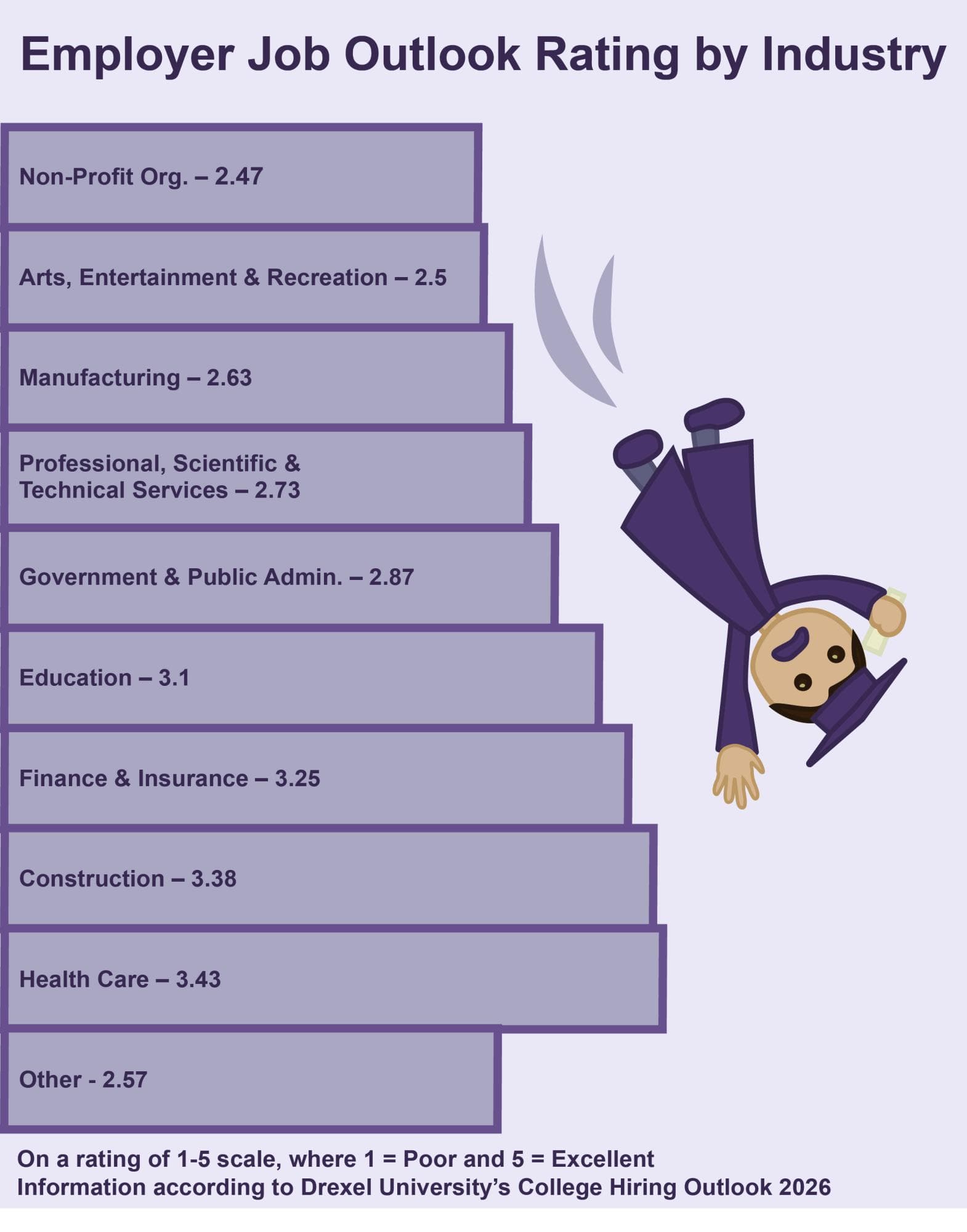
Recent graduates are entering an uncertain labor market, with the unemployment rate for recent college graduates reaching 5.6%—significantly higher than the national average of 4.3%. Meanwhile, 41.5% of recent grads are underemployed, working jobs that don't require a bachelor's degree. The culprit? A mix of cautious hiring, ghost jobs, and the rise of AI.
The New Reality for Entry-Level Jobs
According to economists, the class of 2026 faces a market characterized by low hiring, fierce competition, and longer wait times for offers. One in seven job postings are "ghost jobs"—postings that remain active even when companies aren't actively hiring, wasting applicants' time.
AI Is Reshaping Entry-Level Roles
AI is eliminating many traditional entry-level positions, especially in accounting, finance, and data processing. But experts say it's also creating demand for human skills that AI can't replicate: emotional intelligence, communication, critical thinking, and adaptability.
"AI doesn't have emotional intelligence. You, as a professional, have to exercise your discretion of emotional intelligence, communication, so forth." — Felix Quayson, Assistant Professor
What Employers Really Want Now
Employers are looking for candidates who can work alongside AI and bring soft skills—or "human skills"—to the table. A bachelor's degree alone is no longer a guarantee; internships, certifications, and real-world experience are increasingly required even for entry-level roles.
How to Stand Out in This Market
- Focus on building soft skills through group projects, internships, and leadership roles.
- Target one job at a time—as economist Haiyong Liu says, "All you need is one job. You build on that."
- Avoid ghost jobs by applying directly on company websites and following up.
- Embrace AI as a tool, not a threat—learn how to leverage it in your field.
The Bottom Line
The entry-level job market is tougher than it's been in years, but it's not impossible. Graduates who combine technical know-how with strong human skills and persistence will find their footing.
- #entry-leveljobs
- #jobmarket2026
- #aiandemployment
- #softskills
- #underemployment
Comments · 0